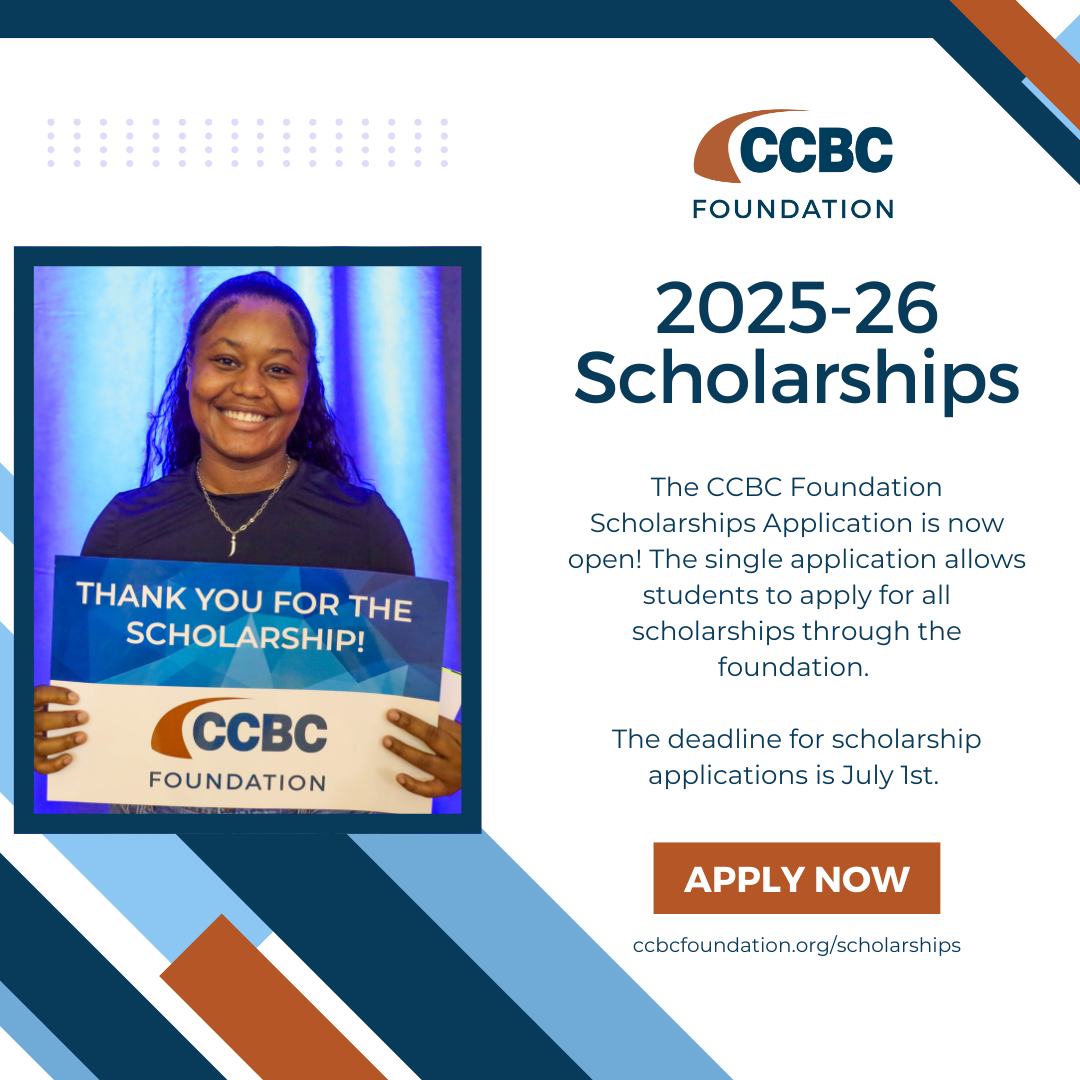
Promise Scholarship Ccbc
Promise Scholarship Ccbc - If x is a thenable, it attempts to make promise. The promise resolution procedure is an abstract operation taking as input a promise and a value, which we denote as [ [resolve]] (promise, x). I was reading the mdn's manual on promise, and i found these two methods which seem similar to me: How do i test to see if a given object is a promise? The class template std::promise provides a facility to store a value or an exception that is later acquired asynchronously via a std::future object created by the std::promise object. I copied this code from the guide and tried it in my developer console: I am trying to wrap my head around promise object in javascript. Then, promise<{}> is compatible with promise, because basically the only property a promise has is then method, and then is compatible in these two promise types. I'm trying to learn what promise is, so i started following this guide. So here i have this little piece of code. Whether it's an es6 promise or a bluebird promise, q promise, etc. I copied this code from the guide and tried it in my developer console: I'm trying to learn what promise is, so i started following this guide. This might seem a silly question but i am a newbie in this topic. I was reading the mdn's manual on promise, and i found these two methods which seem similar to me: The promise resolution procedure is an abstract operation taking as input a promise and a value, which we denote as [ [resolve]] (promise, x). How do i test to see if a given object is a promise? So here i have this little piece of code. I am trying to wrap my head around promise object in javascript. Then, promise<{}> is compatible with promise, because basically the only property a promise has is then method, and then is compatible in these two promise types. The operation behaves as though set_value, set_exception, set_value_at_thread_exit, and set_exception_at_thread_exit acquire a single mutex. I'm trying to learn what promise is, so i started following this guide. I was reading the mdn's manual on promise, and i found these two methods which seem similar to me: The class template std::promise provides a facility to store a value or an exception. If x is a thenable, it attempts to make promise. Whether it's an es6 promise or a bluebird promise, q promise, etc. I am working with promises on nodejs and i want to pass a parameter to a promise function. I have a promise object and two console.log() on either side of the. The promise resolution procedure is an abstract. I copied this code from the guide and tried it in my developer console: Whether it's an es6 promise or a bluebird promise, q promise, etc. I'm trying to learn what promise is, so i started following this guide. The promise resolution procedure is an abstract operation taking as input a promise and a value, which we denote as [. This might seem a silly question but i am a newbie in this topic. The operation behaves as though set_value, set_exception, set_value_at_thread_exit, and set_exception_at_thread_exit acquire a single mutex. I was reading the mdn's manual on promise, and i found these two methods which seem similar to me: I copied this code from the guide and tried it in my developer. If x is a thenable, it attempts to make promise. I am trying to wrap my head around promise object in javascript. I am working with promises on nodejs and i want to pass a parameter to a promise function. The operation behaves as though set_value, set_exception, set_value_at_thread_exit, and set_exception_at_thread_exit acquire a single mutex. I have a promise object and. Whether it's an es6 promise or a bluebird promise, q promise, etc. The promise resolution procedure is an abstract operation taking as input a promise and a value, which we denote as [ [resolve]] (promise, x). If x is a thenable, it attempts to make promise. The class template std::promise provides a facility to store a value or an exception. The class template std::promise provides a facility to store a value or an exception that is later acquired asynchronously via a std::future object created by the std::promise object. If x is a thenable, it attempts to make promise. This might seem a silly question but i am a newbie in this topic. I was reading the mdn's manual on promise,. I have a promise object and two console.log() on either side of the. Whether it's an es6 promise or a bluebird promise, q promise, etc. The promise resolution procedure is an abstract operation taking as input a promise and a value, which we denote as [ [resolve]] (promise, x). Then, promise<{}> is compatible with promise, because basically the only property. Then, promise<{}> is compatible with promise, because basically the only property a promise has is then method, and then is compatible in these two promise types. The promise resolution procedure is an abstract operation taking as input a promise and a value, which we denote as [ [resolve]] (promise, x). I am trying to wrap my head around promise object. Then, promise<{}> is compatible with promise, because basically the only property a promise has is then method, and then is compatible in these two promise types. I am trying to wrap my head around promise object in javascript. I have a promise object and two console.log() on either side of the. This might seem a silly question but i am. I was reading the mdn's manual on promise, and i found these two methods which seem similar to me: I'm trying to learn what promise is, so i started following this guide. This might seem a silly question but i am a newbie in this topic. The operation behaves as though set_value, set_exception, set_value_at_thread_exit, and set_exception_at_thread_exit acquire a single mutex. How do i test to see if a given object is a promise? I am working with promises on nodejs and i want to pass a parameter to a promise function. So here i have this little piece of code. I have a promise object and two console.log() on either side of the. I copied this code from the guide and tried it in my developer console: I am trying to wrap my head around promise object in javascript. The promise resolution procedure is an abstract operation taking as input a promise and a value, which we denote as [ [resolve]] (promise, x). Whether it's an es6 promise or a bluebird promise, q promise, etc.
CCBC SPOTLIGHT College Promise Scholarship YouTube
CCBC Washington County College Center McMurray PA

CCBC STUDENT GUIDE College Promise Scholarships YouTube
CCBC Watch WBALTV evening news tonight for a segment highlighting

The "Promises" keep coming CCBC President's Blog

CCBC College Promise Scholarships YouTube

CCBC Foundation and The Wright Promise Establish Scholarship Ellwood
CCBC Watch WBALTV evening news tonight for a segment highlighting

The Promise Scholarship Showcase (Spring 2024) YouTube

College Promise Scholarship Programs
Then, Promise<{}> Is Compatible With Promise, Because Basically The Only Property A Promise Has Is Then Method, And Then Is Compatible In These Two Promise Types.
The Class Template Std::promise Provides A Facility To Store A Value Or An Exception That Is Later Acquired Asynchronously Via A Std::future Object Created By The Std::promise Object.
If X Is A Thenable, It Attempts To Make Promise.
Related Post: